
Liquid Cooling Solutions for AI Data Centers
Amphenol’s OSFP-RHS Cold Plate and Cage 224G and Liquid Cooling Leakage Detection Sensor Cable — efficient thermal management for high-density AI, cloud and HPC infrastructure, with leak protection built in.
Why Liquid Cooling for AI Infrastructure
Air Cooling at Its Limit
GPUs, CPUs and optical modules keep rising in power and density, pushing traditional heat sink and fan cooling past what it can dissipate.
Direct-to-Chip Efficiency
Circulating coolant through cold plates and heat exchangers moves heat away from components far more efficiently in high-density environments.
Leak Detection Built In
Introducing liquid into electronic environments makes early leak detection a priority — small leaks cause shorts, corrosion and downtime.
Designed to Scale
Belly-to-belly compatible cold plate and cage configurations in standard RU and OU rack heights integrate without custom mechanical work.
Thermal Management Is Now a Reliability Problem
As data centers scale to support artificial intelligence, cloud computing and high-performance workloads, thermal management grows more complex. Liquid cooling answers the thermal load by circulating coolant through cold plates that absorb heat from GPUs, switches and optical modules and transfer it to radiators for dissipation.
But introducing liquid into an electronic environment creates a new priority. Even a small leak in the coolant path can lead to electrical short circuits or corrosion of critical components. In AI and HPC systems running 24/7, coolant leakage is not just a maintenance concern — it is a direct threat to uptime, data integrity and system reliability.
Amphenol addresses both halves of the problem: cold plate and cage assemblies that handle the heat, and sensor cables that catch a leak before it reaches live electronics.
Featured Products
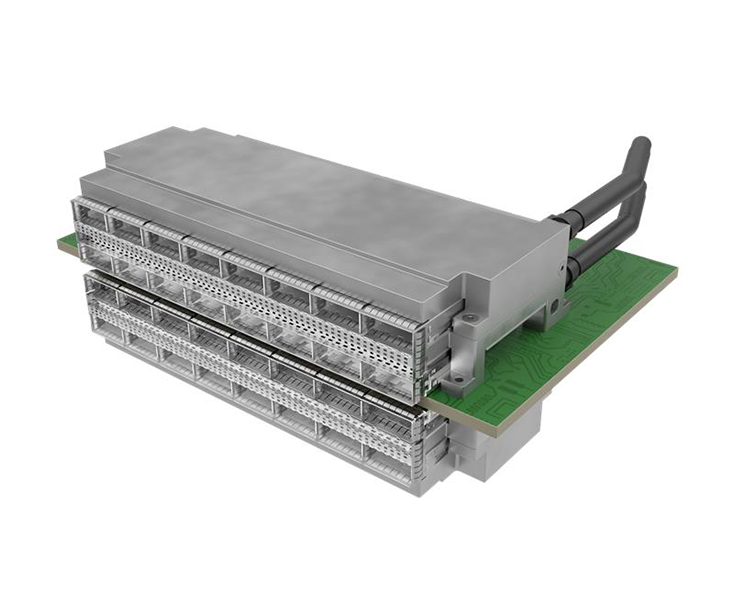
OSFP-RHS Cold Plate and Cage 224G
Liquid Cooling Solution for High-Speed Optical Modules
A single-component cold plate and cage assembly for 224G OSFP optical modules. The 1×N and 2×N RHS cage carries integrated top and bottom row cold plates with a belly-to-belly compatible screw-down mechanism, managing heat across up to 16 ports connected in series on a ganged stacked cage — and installing in a single press step.
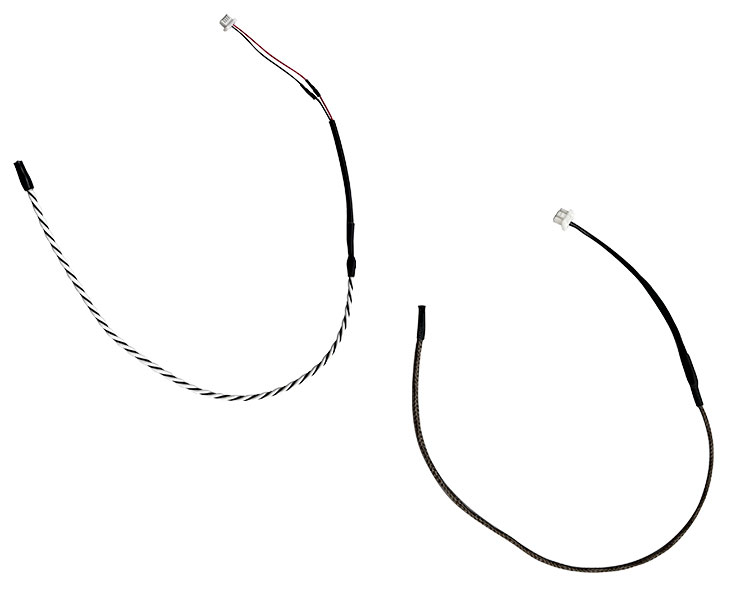
Liquid Cooling Leakage Detection Sensor Cable
Early Coolant Leak Detection for Liquid-Cooled Systems
A low-cost, dependable sensor cable assembly that detects coolant leaks in systems using liquid cold plates. The conductive coolant bridges the electrodes in the cable, changing resistance and triggering an alert so the system can be shut down or contained before damage occurs.
Cold Plate Configurations
|
Feature |
OSFP 1×8 Liquid Cooling Solution |
OSFP 2×8 Liquid Cooling Solution |
|---|---|---|
|
Part number |
V62-ABZ01-XXXXXXX |
V62-BBZ08-XXXXXXX |
|
Cage layout |
Single row, N = 4 or 8 ports |
Stacked belly-to-belly, N = 4 or 8 per row |
|
Cold plate arrangement |
Integrated cold plate across the row |
Integrated top and bottom row cold plates, up to 16 ports in series |
|
Cooling per module |
Greater than 40 W |
Greater than 40 W |
|
Assembly |
One-step press assembly |
One-step press assembly, belly-to-belly screw-down |
|
Best suited to |
Single-row faceplate layouts |
Stacked, high-density faceplate layouts |
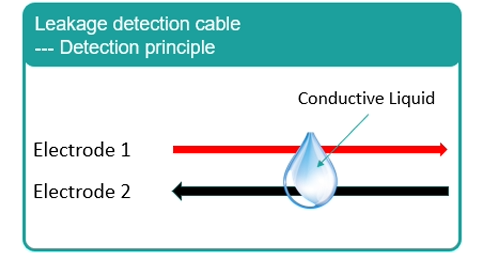
How the Leak Detection Cable Works
The sensor cable uses the conductive properties of the coolant itself. When fluid escapes, it bridges two electrodes inside the cable, resistance drops, and the monitoring system raises an alarm — early enough to shut down or contain the loop before coolant reaches live electronics.
Applications
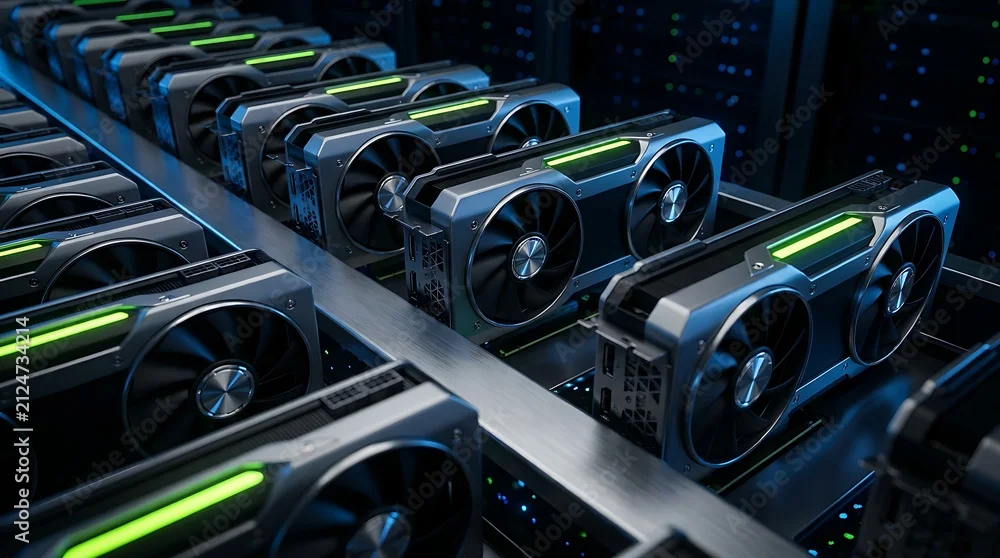
AI Training & Inference
Cooling high-power GPU and accelerator racks where thermal density has outgrown air cooling, with leak protection across the coolant loop.
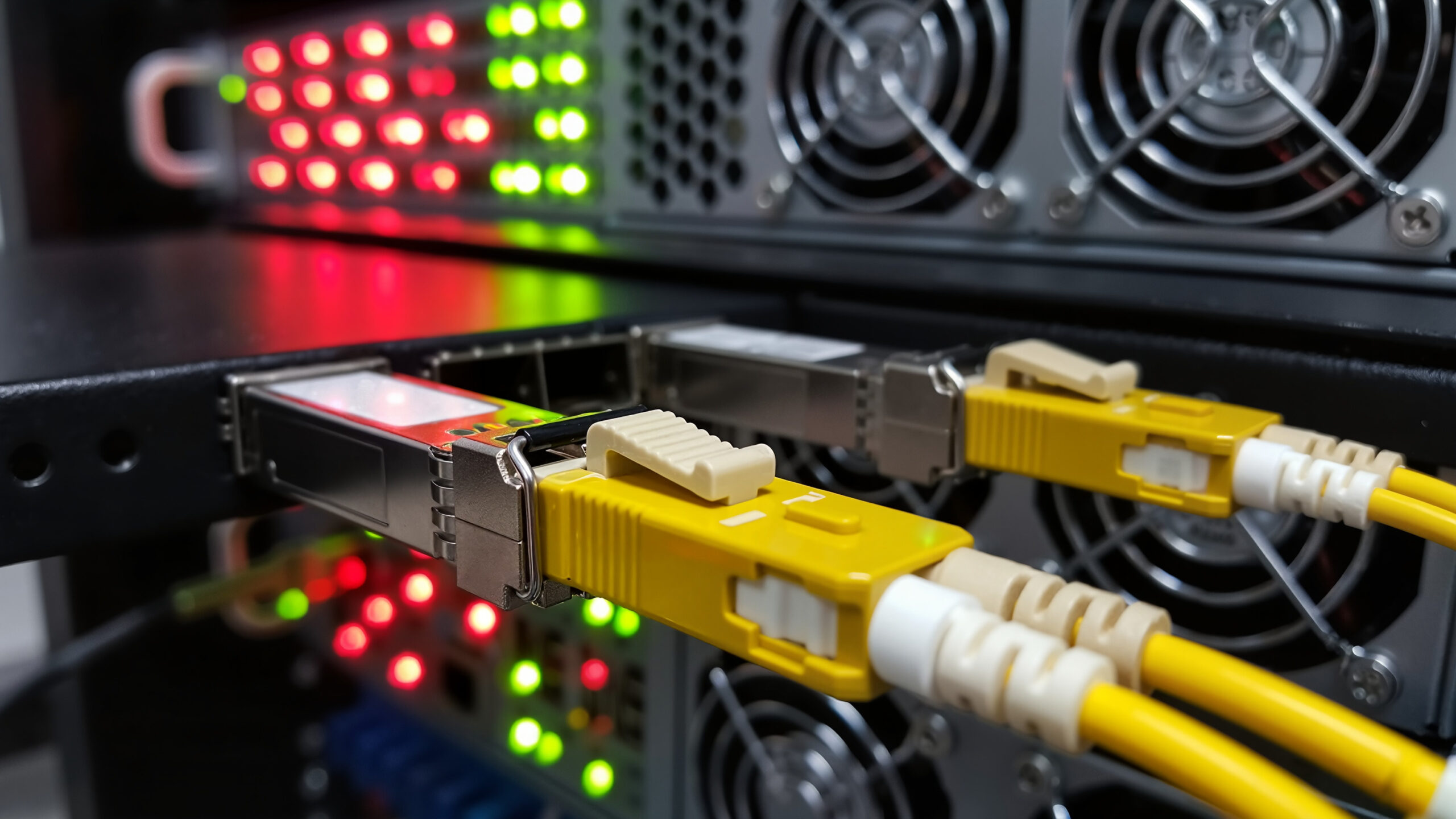
High-Speed Optical Networking
Liquid-cooled 224G OSFP module cages for switches and line cards where optical module power continues to climb.
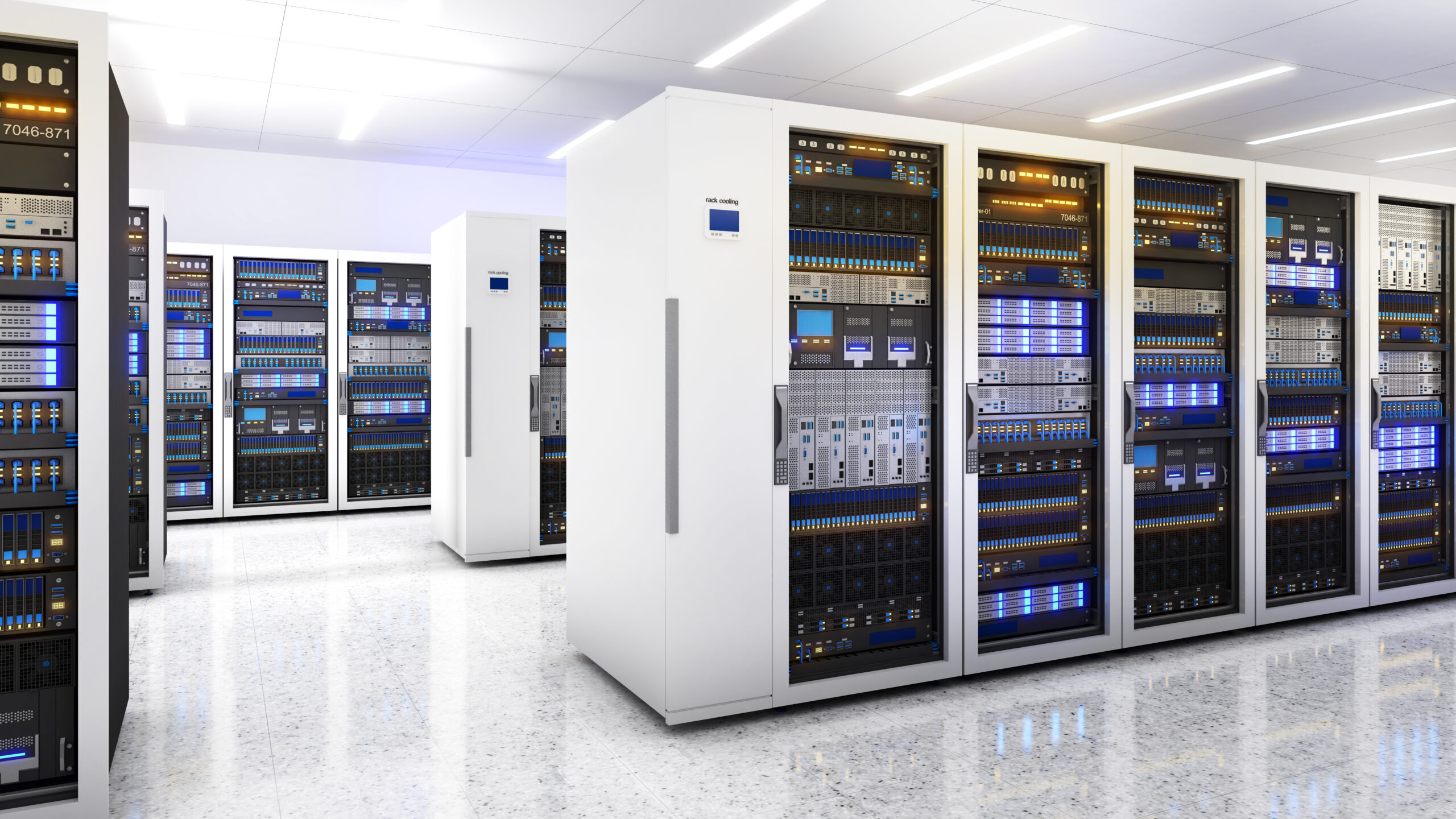
Cloud & HPC Data Centers
Direct-to-chip cold plate loops serving dense compute and storage platforms running continuous 24/7 workloads.
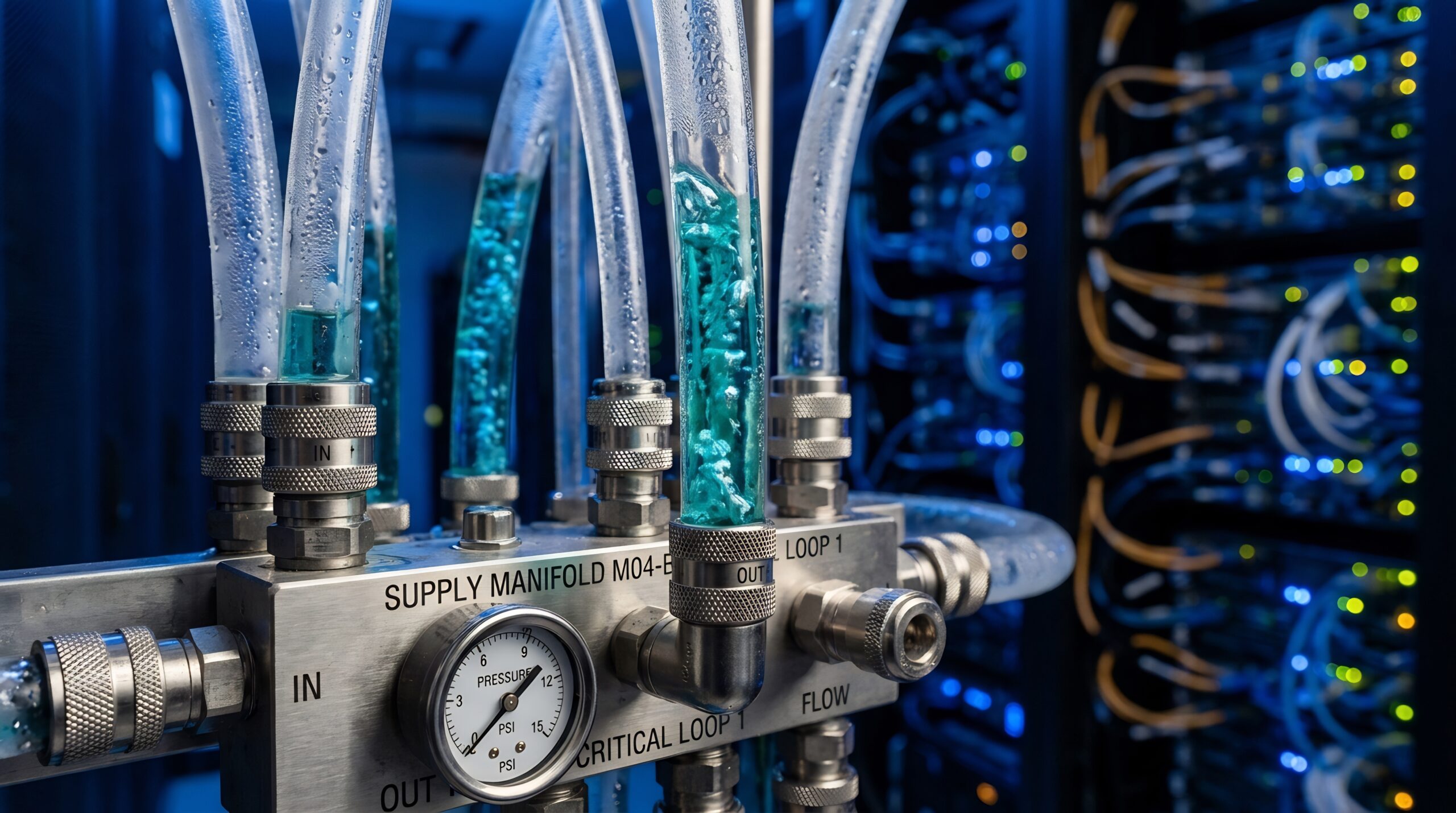
Liquid-Cooled Chassis Integration
Leak detection at cold plate manifolds, quick disconnects and pipeline joints, plus rugged interconnects for immersion-cooled systems.
Frequently Asked Questions
Ready to Transform Data Center Thermal Efficiency?
Talk to our engineering team about tailored cooling and connectivity solutions, samples or full datasheets.