
Interconnect Solutions for Robotics
Amphenol connectors and cable assemblies for autonomous mobile robots, humanoid platforms, robot arms and drones — power, data and sensing across every subsystem, engineered for continuous motion.
Why Robotics Is Its Own Interconnect Problem
The Connector Moves Too
In most equipment the interconnect sits still. In a robot it flexes for as long as the machine runs, so mechanical life and vibration rating matter as much as electrical performance.
Routed Through Joints
Cable has to pass through wrists, shoulders and rotating bases. The limit is often not the electrical rating but the diameter of the hole the connector has to fit through.
Power and Signal Together
Every actuator needs both drive current and position feedback. Hybrid connectors carry them in a single run, cutting the harness count and the assembly time with it.
Noisy by Construction
Switching motors sit centimetres from camera and LiDAR links. Shielded, latched interfaces keep perception data clean in an enclosure that is hostile to it.
Robotics Is Becoming a Southeast Asian Supply Chain
Robotics manufacturing is no longer only a Chinese and American story. Vietnam now has domestic humanoid programmes building at volume. Thailand’s Board of Investment has approved a humanoid component base in the Eastern Economic Corridor. Singapore is funding robot deployment across logistics, facilities management and healthcare, and Malaysia’s industrial automation base in Penang keeps deepening.
That shifts where interconnect decisions get made. Design-in that used to happen entirely offshore is increasingly happening in the region — alongside the engineers specifying it, with regional stock and regional support.
Quadrep supplies Amphenol interconnect across all four robot classes below, from prototype quantities through production. Whichever subsystem you are specifying, the same design conversation applies: how much current, through how small an opening, surviving how many cycles.
Solutions by Robot Type
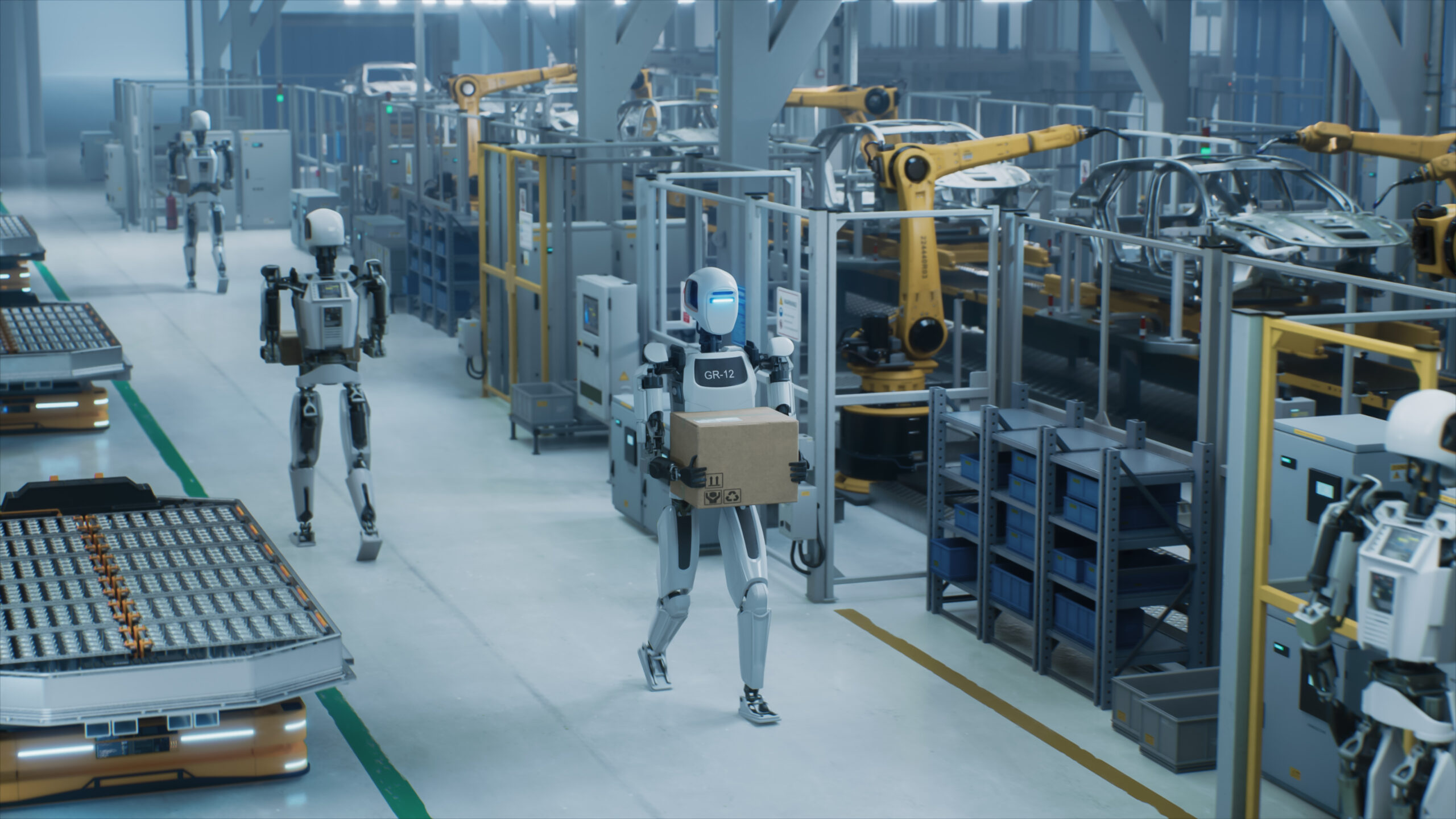
Humanoid Robots
Dozens of actuated joints in a human-scale envelope
The hardest interconnect problem in robotics: power and feedback to every joint, routed through limbs, in a mass budget that penalises every gram. Amphenol builds connectors specifically for this class — including RoboConn™, a hybrid power-and-signal cable connector designed for humanoid platforms.
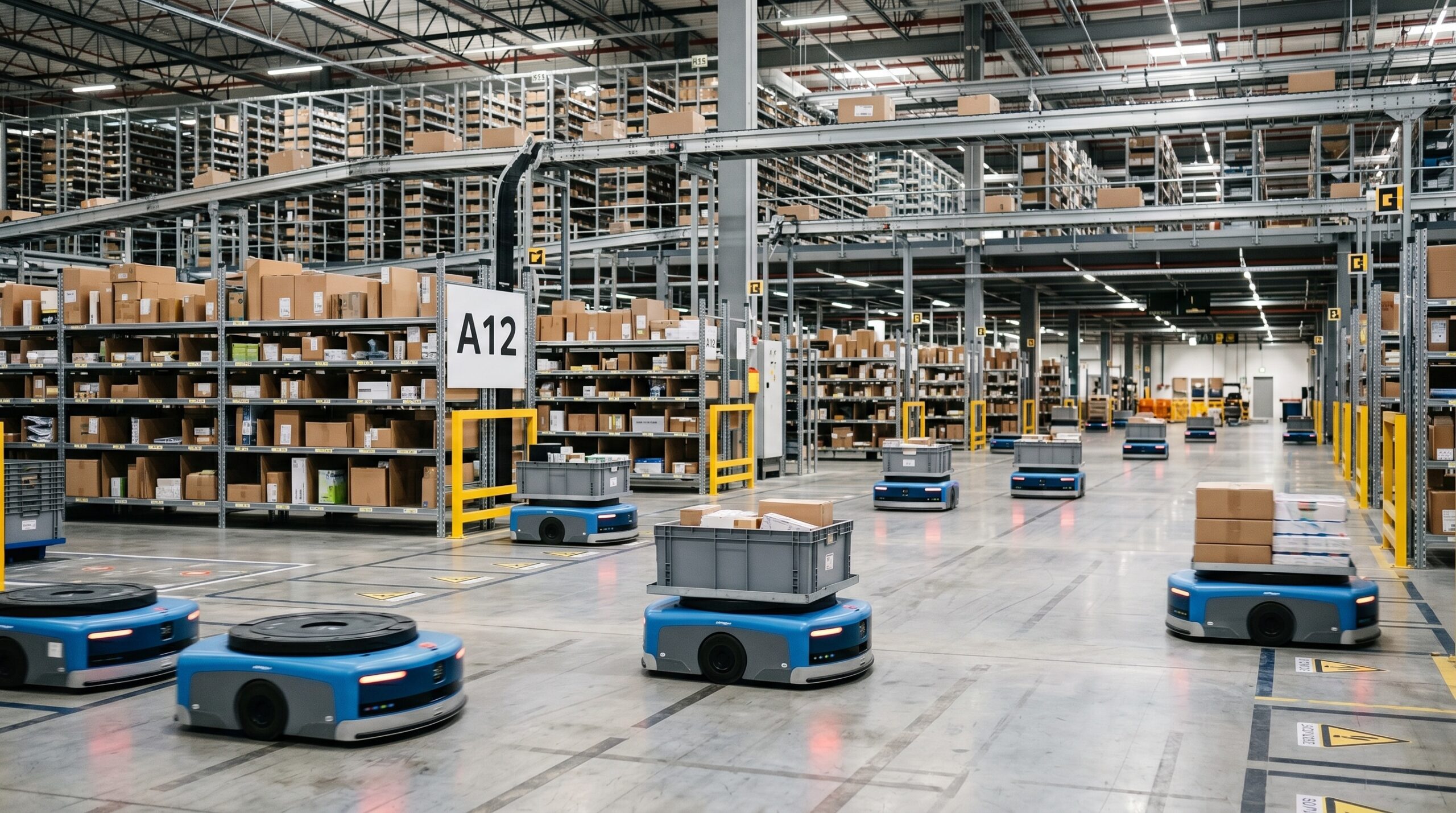
AMR / AGV
Warehouse logistics, manufacturing and facility automation
Mobile robots run on high-efficiency batteries, intelligent motor drives and sensor arrays that have to navigate a changing floor. Rugged, compact interconnect carries power, data and control across controllers, charging, battery management, LiDAR and camera-based vision.
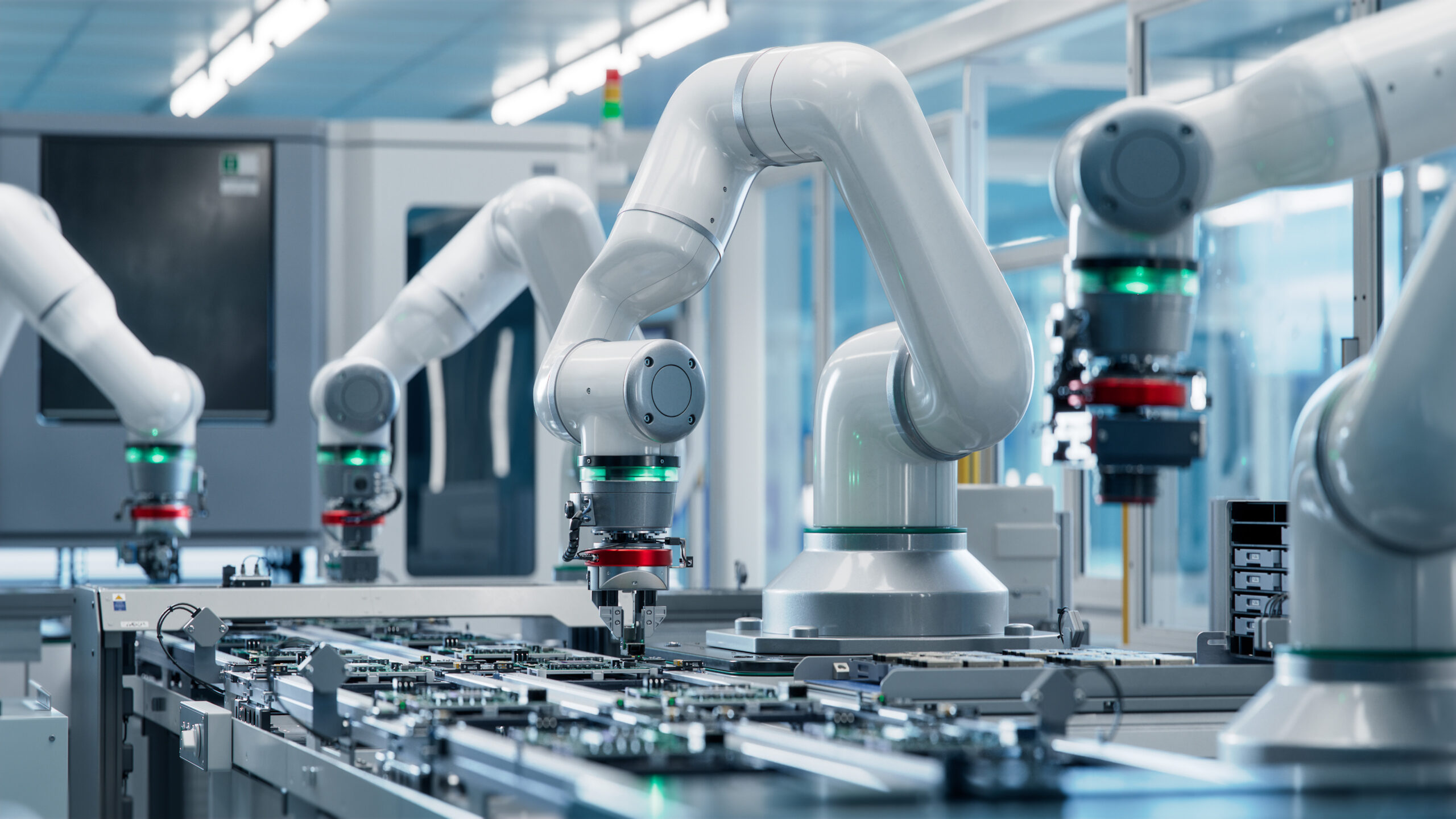
Robot Arms & Cobots
Manufacturing, assembly and inspection
Precision, force control and repeatability across multi-axis motion. Interconnect here has to hold signal integrity through repetitive movement and mechanical stress, supporting real-time communication, sensor feedback and motor control at production duty cycles.
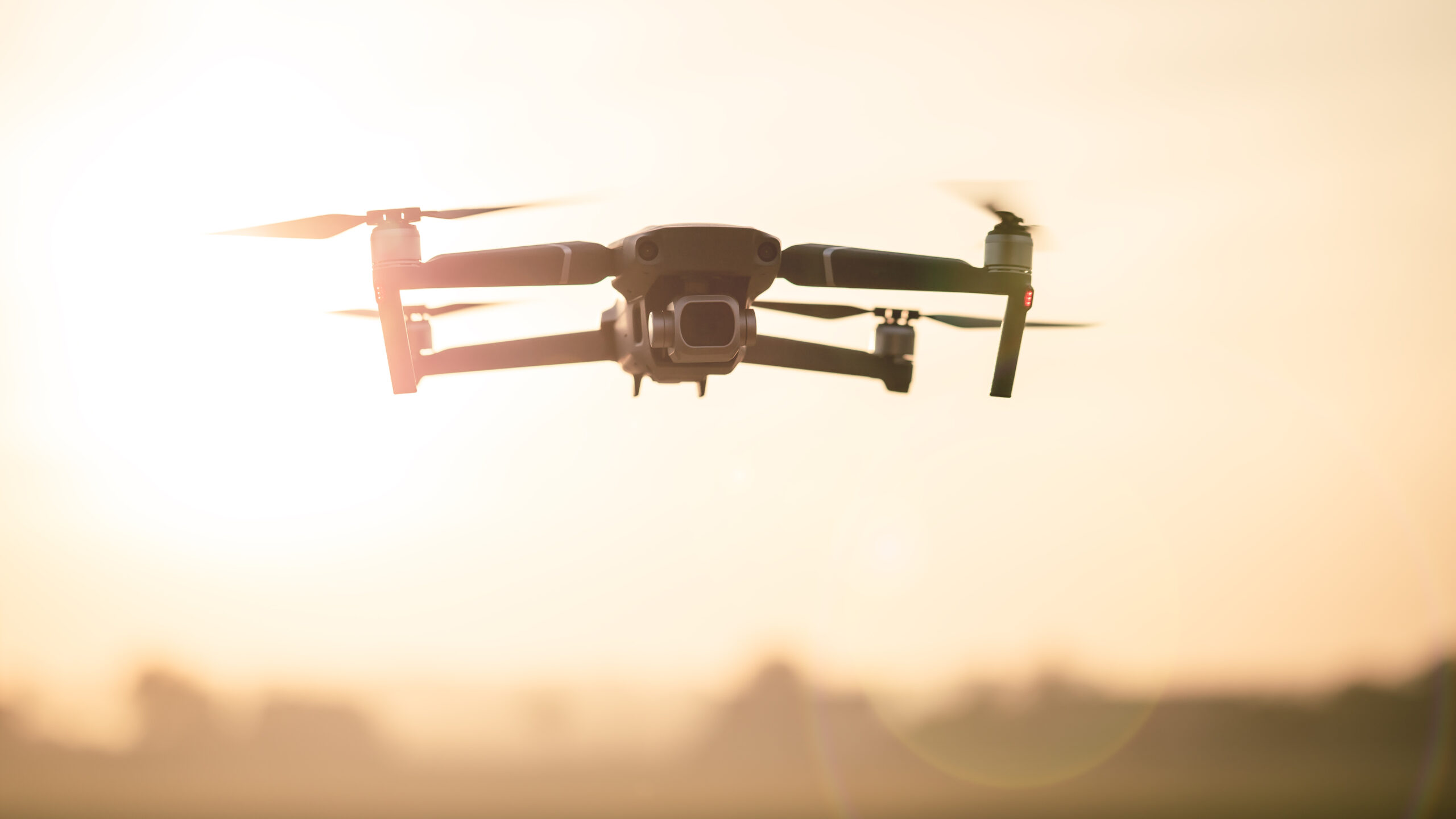
Commercial & Consumer Drones
Aerial imaging, delivery, agriculture and emergency response
Compact airframes where every gram of connector costs flight time. High-reliability interconnect supports efficient power delivery and high-speed data transfer for longer endurance, accurate control and dependable object detection.
Every Robot, the Same Five Subsystems
|
Control & Communication |
The compute stack and the buses that carry commands out to the joints and sensor data back. Board-to-board density, signal integrity and stack height set the limits here. |
|---|---|
|
Battery & Charger |
The main DC bus from pack to power distribution, plus the charge interface. Current per contact and the size of the hole the connector has to pass through are the two constraints that decide the part. |
|
Battery Management |
Per-cell sense and balance lines, pack temperature monitoring and the safety interlocks around them. Fine-pitch, high position count, and housings that have to hold their rating hot. |
|
Motor Drives & Controllers |
Power and position feedback to every actuator. This is where mechanical life matters most: the interconnect moves for as long as the robot does, and it has to survive vibration and flex without losing contact. |
|
Vision & Sensing |
LiDAR, cameras and radar feeding the perception stack. Large, latency-sensitive data volumes over links that must stay clean in an enclosure full of switching motors. |
What Changes Between Robot Classes
|
Feature |
Humanoid |
AMR / AGV |
Robot Arm |
Drone |
|---|---|---|---|---|
|
Dominant constraint |
Envelope and mass |
Duty cycle and charge cycling |
Repetitive motion life |
Mass and flight time |
|
Interconnect count |
Very high — every actuated joint |
Moderate — drive, charge, sensor bays |
Moderate — per axis |
Low — weight constrained |
|
Motion at the connector |
Continuous flex through limbs |
Chassis vibration, repeated docking |
Repetitive multi-axis travel |
Vibration plus gimbal articulation |
|
Typical power interface |
Hybrid power and signal in one connector |
High mating-cycle charge contacts |
Separate drive and feedback runs |
High-discharge pack connections |
|
Sensing load |
Multi-modal vision for 3D mapping |
LiDAR and camera for navigation |
Vision for pick accuracy |
Gimbal camera and obstacle sensing |
Frequently Asked Questions
Designing a Robot? Start With the Constraint.
Tell us the current, the opening it has to pass through and the cycle life you need. Our engineering team will work back to a part, a sample and a datasheet.